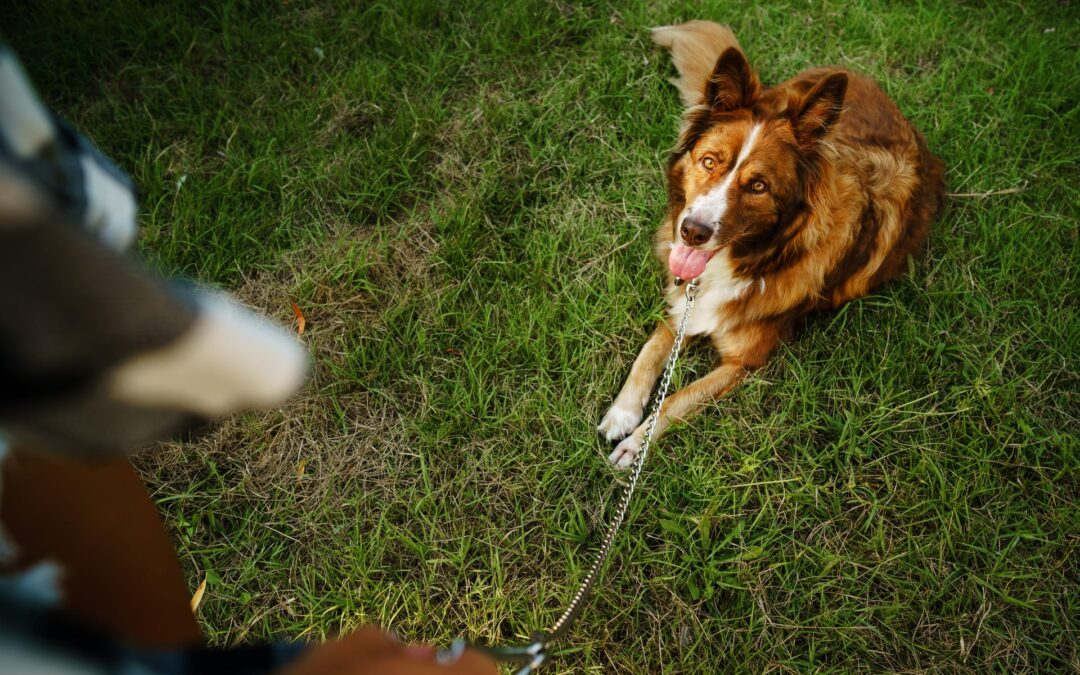
Dogs absorb training more effectively when they’re guided in a familiar, stable environment. Keeping dog boarding and training under one roof limits stress and provides steady support across the entire day. When the same team oversees care, learning opportunities expand beyond scheduled sessions. Magnolia Paws Board & Train puts it clearly: “Dogs don’t just learn commands—they build habits when structure and environment stay constant.”
How One Connected Facility Reinforces Daily Canine Progress
Magnolia Paws Board & Train has helped hundreds of dogs build practical behavior skills through a blended boarding and training model. A recent case involved a nervous beagle who barked continuously and had trouble settling in new places. By boarding him where his training occurred, handlers could reinforce calm behaviors during quiet times, not just lessons. The result was quicker adaptation and improved focus, even during grooming and mealtimes.
-
The American Veterinary Medical Association emphasizes the importance of consistency in reducing behavior-related stress.
-
Dogs retain commands better when repetition happens throughout their day.
-
Stability allows trainers to catch early signs of discomfort or progress.
1. Reduced overstimulation in calm environments
Dogs entering multiple new locations in a short span often display hyperactivity or withdrawal. Using one location for boarding and training eliminates that disruption. Fewer environmental changes keep the dog emotionally grounded and better prepared for learning.
-
Familiar sounds and routines minimize startle responses and confusion.
-
Consistent environments lead to quicker emotional recovery after stress.
-
Calm surroundings help support more restful sleep and better appetite.
2. Predictable routines improve understanding
Dogs learn by connecting cues to actions. Repeating commands like “stay,” “wait,” or “come” at specific times every day makes training more meaningful. When those cues align with meals, rest periods, or outdoor breaks, dogs start to respond automatically.
-
Regular patterns reduce uncertainty and help dogs anticipate expected behavior.
-
Pairing commands with daily moments improves retention and focus.
-
Structured timing prevents disorganized reactions and builds self-control.
3. Repeated learning moments strengthen habits
Dogs trained during random, isolated sessions often struggle to retain lessons. A combined facility gives trainers the chance to reinforce behaviors across various settings—whether it’s during grooming prep, hallway walks, or calm crate time.
-
Frequent reinforcement cements behaviors into daily routine.
-
Short, repeated sessions offer more sustainable learning than long infrequent ones.
-
In-the-moment corrections help prevent confusion or mixed signals.
4. Practical exposure sharpens everyday behavior
Teaching obedience inside a classroom isn’t enough. Dogs must apply learned skills when distractions are present—during grooming, mealtimes, or staff changes. These natural challenges help build stronger behavioral reliability.
-
Controlled real-life exposure prepares dogs for home and public settings.
-
Practicing in routine scenarios creates stability in performance.
-
Gradual desensitization to triggers builds resilience and adaptability.
5. Combined grooming and training eases handling issues
Some dogs resist grooming due to fear or lack of preparation. At a facility that integrates services, grooming becomes a low-stress training opportunity. Handlers can reinforce calm behavior and reward tolerance during brushing, drying, and nail trimming.
-
Trainers assist in reshaping fearful reactions into positive associations.
-
Regular exposure builds acceptance of grooming tools and touch.
-
Calm handling during grooming teaches patience and cooperation.
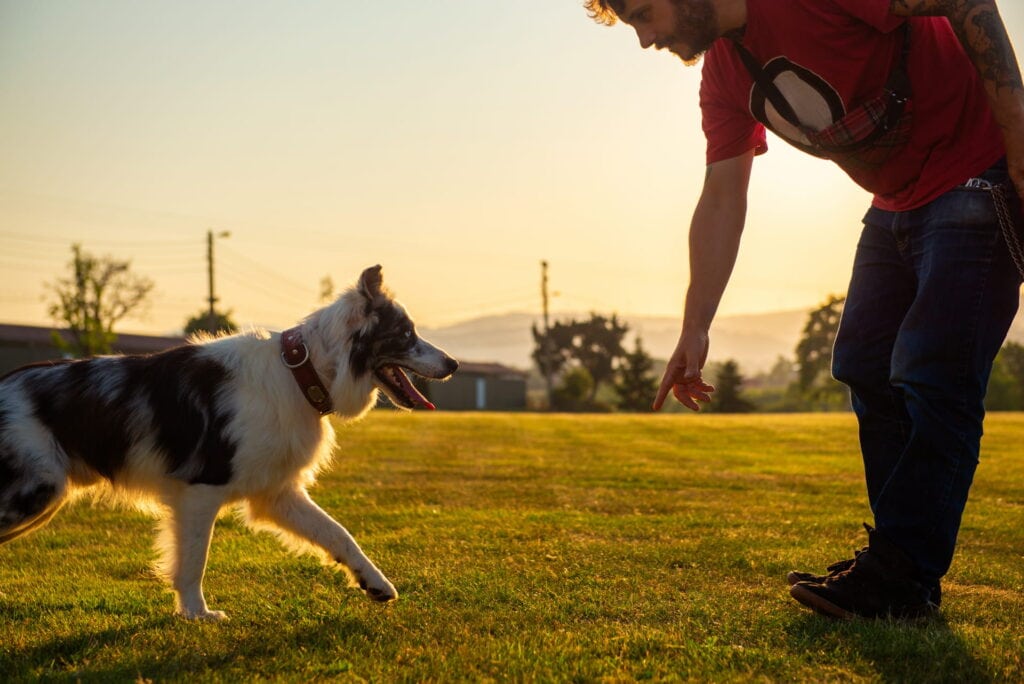
6. Consistent oversight leads to smarter adjustments
Trainers gain deeper insight into a dog’s tendencies when they supervise care throughout the day. Instead of relying on reports or quick check-ins, they see the full picture—from how a dog rests to how it responds to small changes in the environment.
-
Daily observations help staff refine each training approach in real time.
-
Combined team feedback leads to more specific progress tracking.
-
Subtle emotional cues can be addressed before they escalate into setbacks.
7. Guided play builds respectful interaction
Unstructured socialization can overwhelm dogs or encourage rough play. At a combined facility, interaction is guided, purposeful, and built around training goals. Dogs gain confidence and learn boundaries through carefully matched pairings and ongoing supervision.
-
Supervised sessions prevent overstimulation and help redirect poor habits.
-
Structured interaction supports healthy communication between dogs.
-
Play is used as a reward and a learning experience, not just recreation.
8. Reinforcement across the stay prevents backsliding
Dogs that train in short spurts and board elsewhere often revert once structure disappears. When training and boarding share the same team and environment, positive behaviors stay consistent. That consistency helps behaviors remain sharp once the dog returns home.
-
Reinforced habits are more likely to stick after the program ends.
-
Continued observation ensures the dog doesn’t fall into old behavior patterns.
-
Owners benefit from a smoother transition back into their daily routine.
9. Streamlined care and communication
Managing separate appointments for grooming, boarding, and training creates confusion. A single facility eliminates those layers, making it easier to track progress and communicate clearly with the care team.
-
Owners get full updates from one trusted source.
-
Scheduling is simplified with fewer overlapping services.
-
Clearer communication improves follow-through on goals and routines.
10. Familiar handlers increase learning and comfort
Seeing the same caregivers every day builds trust. Dogs respond more calmly and attentively to people they know, which improves focus during training and reduces resistance during grooming or boarding tasks.
-
Trust fosters better cooperation in high-distraction environments.
-
Recognizable voices and routines help dogs feel safe and receptive.
-
Strong handler relationships improve long-term results and emotional wellbeing.
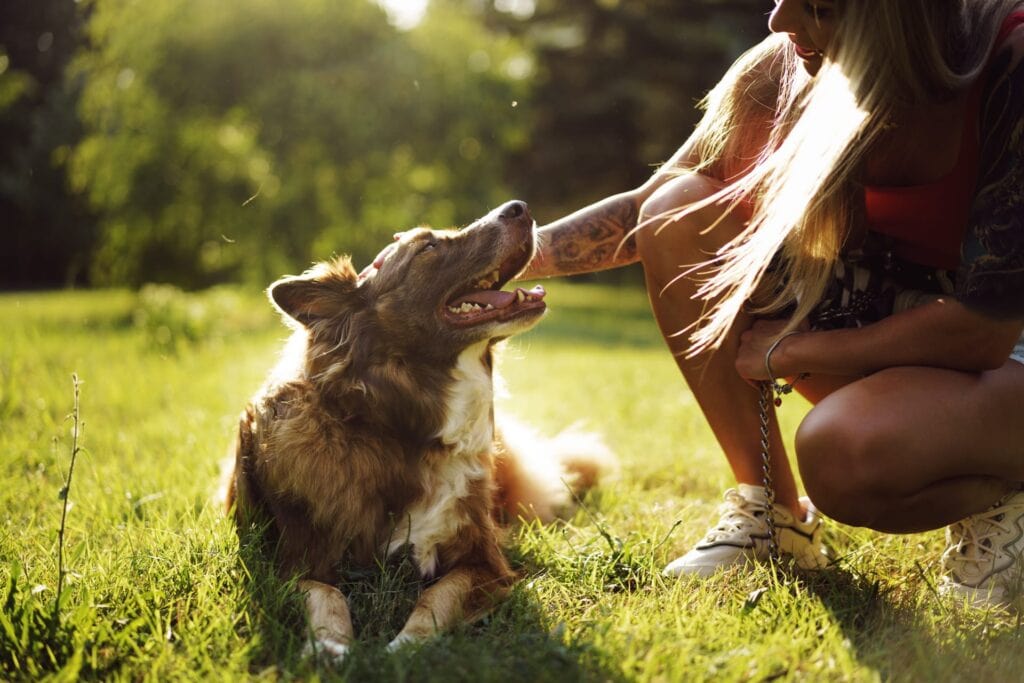
Key Takeaways: Dog Boarding and Training Benefits in One Familiar Facility
Choosing a facility that offers dog boarding and training in one location creates better behavioral consistency, emotional security, and communication between dog and caregiver. Magnolia Paws Board & Train uses this integrated approach to support steady improvement, reduce anxiety, and build stronger habits. When dogs sleep, train, play, and get groomed in one trusted space, they receive care that’s not just convenient—but deeply effective.
Frequently Asked Questions
Why does a shared environment help dogs learn better?
Familiarity builds confidence. When dogs aren’t adjusting to new places or people, they can focus on the training cues and routines that help them grow.
Can my dog get used to grooming with training included?
Yes. Training during grooming helps desensitize dogs to handling, tools, and close contact, creating calmer grooming sessions over time.
How do trainers manage playtime in these programs?
Play is structured to reinforce good behavior. Dogs are paired based on temperament and monitored closely to encourage safe, polite interaction.
What if my dog takes longer to adjust to boarding?
Consistent schedules, repeated exposure to staff, and low-pressure environments help most dogs settle in within a few days, especially with support from training.
Is this kind of facility good for older dogs too?
Yes. Older dogs benefit from structure and routine just as much as younger ones—and integrated care can reduce stress during transitions or new learning.

Health Science Wire draws on decades of experience in the health science and medical fields, specializing in comprehensive health care that includes both physical and mental well-being. Health Science Wire is dedicated to providing the latest information on medical advancements, wellness trends, and preventive care strategies. HSW actively promotes preventive care and positive lifestyle changes through engaging articles and blogs, empowering readers to take charge of their health. Committed to high-quality, evidence-based content, Health Science Wire is a trusted source for reliable health information and practical advice.