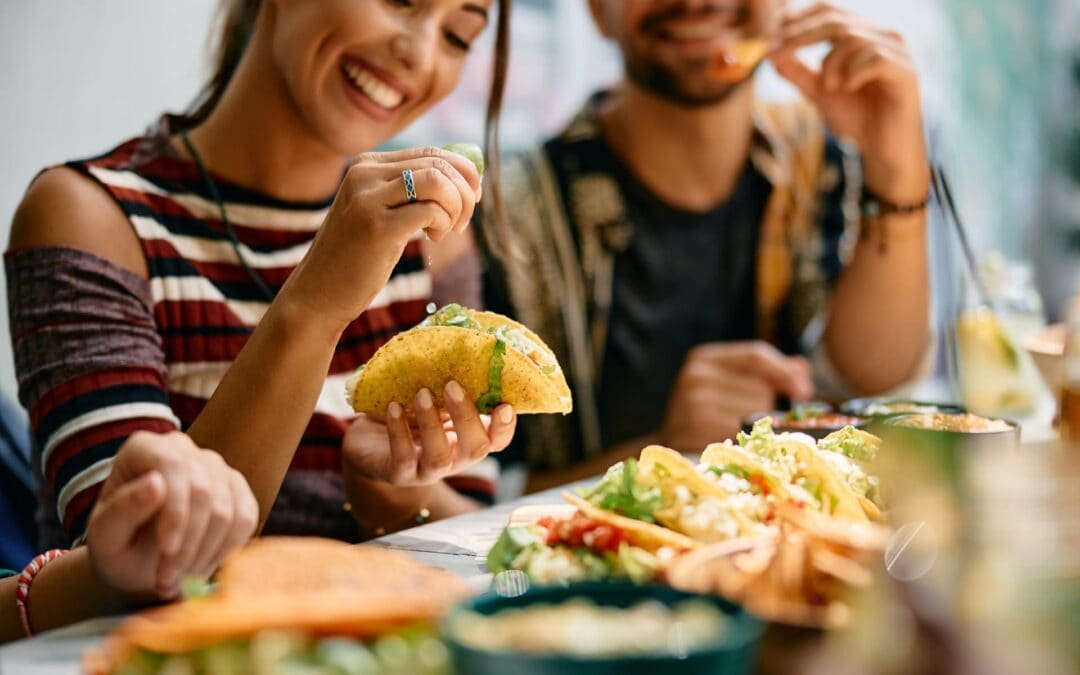
Authenticity begins in the kitchen, not the dining room. Food that reflects its culture is built step by step, using intentional methods and ingredients that hold meaning. Mexican food follows that principle—it’s more than flavor on a plate. It represents community, region, and the wisdom passed through generations.
1. Early prep preserves full flavor
Kitchen routines start before most customers even arrive. Staff cut fresh produce, soak beans, mix masa, and roast vegetables while the air is still cool and calm. These preparations aren’t rushed because ingredients behave differently when used close to their peak. Allowing food to rest and develop naturally helps maintain its integrity throughout service.
-
According to the USDA, cilantro and similar herbs lose nearly half their essential oils within 18 to 24 hours
-
Beans prepared from dry absorb seasoning better than canned ones, which often contain excess sodium
-
Sliced vegetables exposed to air deteriorate quickly, losing water and weakening their flavor
Hands-on morning prep brings out the natural brightness and structure of each ingredient used.
2. Time-honored cooking methods add complexity
Meals grounded in tradition use more than recipes—they rely on process. Roasting whole seeds, grinding chiles on stone, layering sauces in phases, and simmering meats for hours are all ways authentic kitchens coax out maximum flavor. These steps aren’t just habits—they’re techniques that build texture and depth into each bite.
-
Smithsonian archives detail mole recipes that span multiple days and include roasting, frying, grinding, and resting
-
Toasting chiles and spices in dry pans activates compounds that enhance depth and warmth
-
Slow-simmered broths like those in pozole develop from collagen, marrow, and vegetables cooked over several hours
Techniques used with care unlock flavor that short-order cooking can’t replicate.
3. Local ingredients shape the dish’s identity
Authentic meals start with ingredients that come from the land they’re meant to reflect. Using native chiles, heirloom corn, and traditional herbs like hoja santa or papalo ensures the flavor remains connected to the region. These ingredients aren’t extras—they’re necessary to protect the personality of the dish.
-
Research from the USDA shows heirloom corn varieties contain richer pigments and minerals, affecting both nutrition and taste
-
Guajillo and pasilla chiles carry oil and sweetness levels that standard red peppers can’t deliver
-
Herbs like epazote provide strong, earthy tones that lend authenticity to bean and stew dishes
Flavor depends on ingredients that belong to the food’s origin, not just what’s available in bulk.
4. Handmade tortillas improve the entire dish
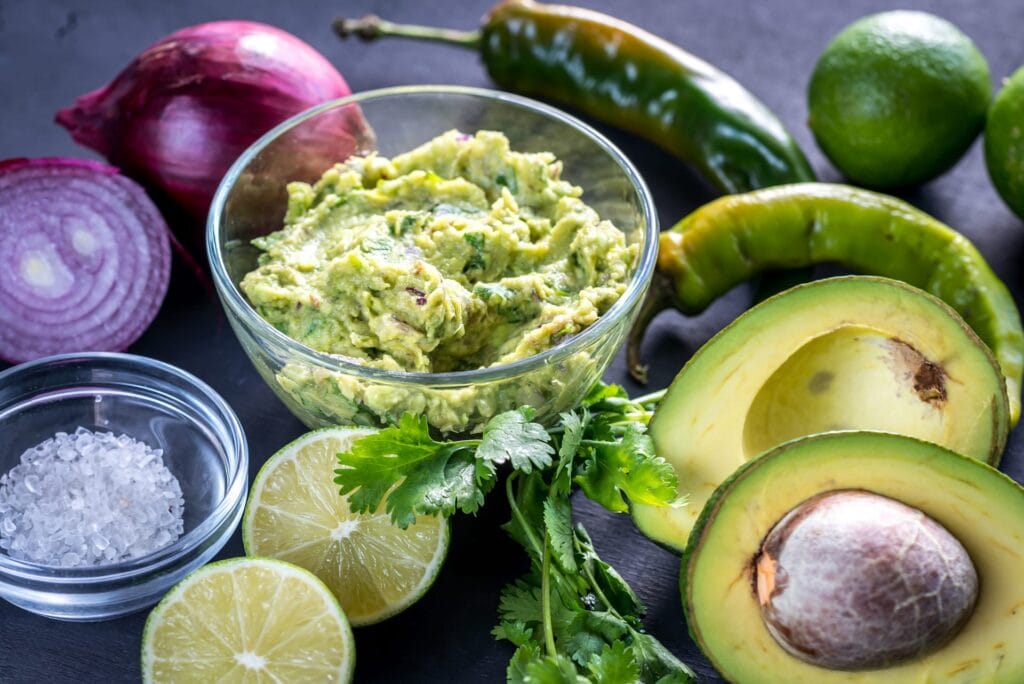
Tortillas made on-site carry more than fillings—they carry texture, moisture, and warmth. When pressed and cooked just minutes before serving, they become a critical component of every bite. Unlike packaged tortillas, which often dry out or taste bland, handmade ones add depth and help the meal hold together.
-
Fresh masa keeps its pliability for just a few hours after grinding, making timing essential
-
Commercial tortillas often use calcium propionate and similar additives that reduce flavor and soften structure
-
Steaming from freshly cooked tortillas helps fillings stay moist and improves bite consistency
Every handmade tortilla enhances both the physical and flavor structure of the dish it supports.
5. Fresh salsa maintains vibrant contrast
Salsa provides the balancing point in many Mexican dishes. Whether raw or roasted, smooth or chunky, it brings acidity, heat, and often a touch of sweetness that pulls everything together. Kitchens that prepare salsa multiple times a day can react to the intensity of that day’s ingredients, ensuring each batch stays vibrant.
-
Enzymatic changes in tomatoes begin soon after slicing, reducing acidity and softening flesh within hours (NIH)
-
Fresh lime juice loses about 25% of its acidity and antioxidant strength within the first few hours of squeezing
-
Onions and garlic, once chopped, degrade rapidly unless used immediately, affecting both aroma and sharpness
Keeping salsa fresh means it adds lift and balance, not just heat or color.
6. Meats cooked fresh hold seasoning and texture
Slow-cooked meats gain the most flavor when handled with patience. Proteins like pork shoulder or beef cheek need long exposure to heat to soften properly, and the seasoning has time to move through every layer. Reheated meat often loses moisture and can develop a tough texture or an overpowering saltiness.
-
USDA food service guidelines confirm reheating meat more than once diminishes moisture content and breaks down connective structure
-
Braising at steady temperatures allows collagen to melt, making meat soft without falling apart
-
Marinades applied the day before cooking work more evenly when heat follows immediately, not long-term storage
Cooking meat from raw to finished the same day ensures better control over taste, tenderness, and consistency.
7. Seasoning gradually preserves harmony
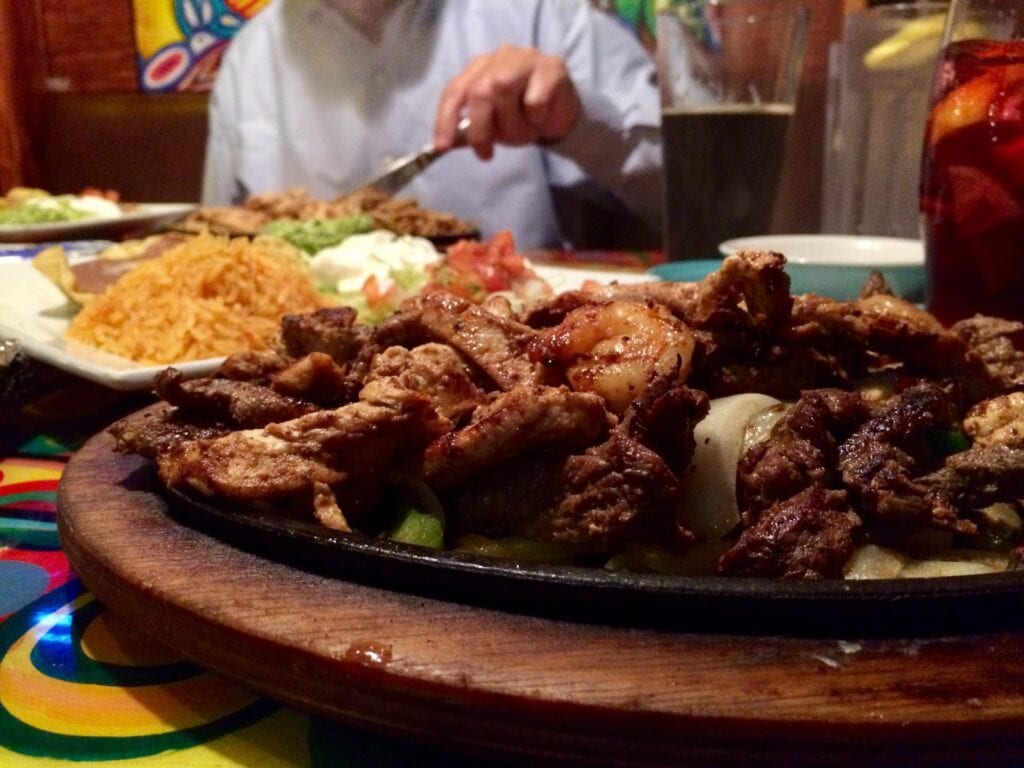
Good seasoning isn’t just about salt—it’s about how and when flavors are added. Authentic Mexican dishes build flavor in steps: starting with garlic or onions, moving to toasted spices, then finishing with acid or herbs. Each addition interacts with the rest, creating a layered and complete profile.
-
The FDA notes that staged seasoning improves retention of natural moisture and reduces the need for excess sodium
-
Toasted spices like cumin and clove offer stronger aromatic presence without overpowering the base
-
Final touches of lime juice or vinegar brighten the dish, especially in heavier meats or starchy bases
Balanced flavor takes form over time, not in a single step. Patience creates harmony.
Key Takeaways: How Mexican Food Reflects Its Regional Roots
Mexican food that honors its cultural beginnings relies on methods that preserve truth, not trends. Every tortilla pressed, every salsa stirred, and every cut of meat slow-cooked tells a story. That story comes through in flavor, texture, and structure—not just presentation. What makes it authentic isn’t a label—it’s the work that leads up to every dish.
Essential Practices That Preserve Authentic Mexican Cuisine:
-
Fresh daily prep boosts ingredient quality, color, and taste
-
Classic methods allow flavor to develop through time, not shortcuts
-
Regional ingredients anchor dishes in cultural geography
-
Handmade tortillas enhance both flavor and structure in every bite
-
Fresh salsas keep acidity and spice in sync with changing produce
-
Day-of meat prep ensures tenderness, juiciness, and accurate seasoning
-
Layered seasoning allows each part of the dish to play its role without overpowering others
Frequently Asked Questions
Why do authentic Mexican restaurants prep so early in the day?
Because ingredients like herbs, vegetables, and masa perform best when handled just before cooking—not hours later.
What difference do regional Mexican ingredients make?
They shape the character of the dish. Native herbs and chiles deliver flavors and aromas standard substitutes can’t mimic.
Are fresh tortillas really that important?
Yes. They add structure, aroma, and flexibility that directly affect how the dish holds together and how it tastes.
Why is salsa made in small batches instead of ahead of time?
To keep each batch responsive to ingredient strength—like how spicy the peppers are or how ripe the tomatoes feel.
How does step-by-step seasoning improve taste?
It lets flavors build and blend gradually, making the final dish more complex and balanced rather than one-note.

Health Science Wire draws on decades of experience in the health science and medical fields, specializing in comprehensive health care that includes both physical and mental well-being. Health Science Wire is dedicated to providing the latest information on medical advancements, wellness trends, and preventive care strategies. HSW actively promotes preventive care and positive lifestyle changes through engaging articles and blogs, empowering readers to take charge of their health. Committed to high-quality, evidence-based content, Health Science Wire is a trusted source for reliable health information and practical advice.